
What Divorce Felt Like as a Little Boy
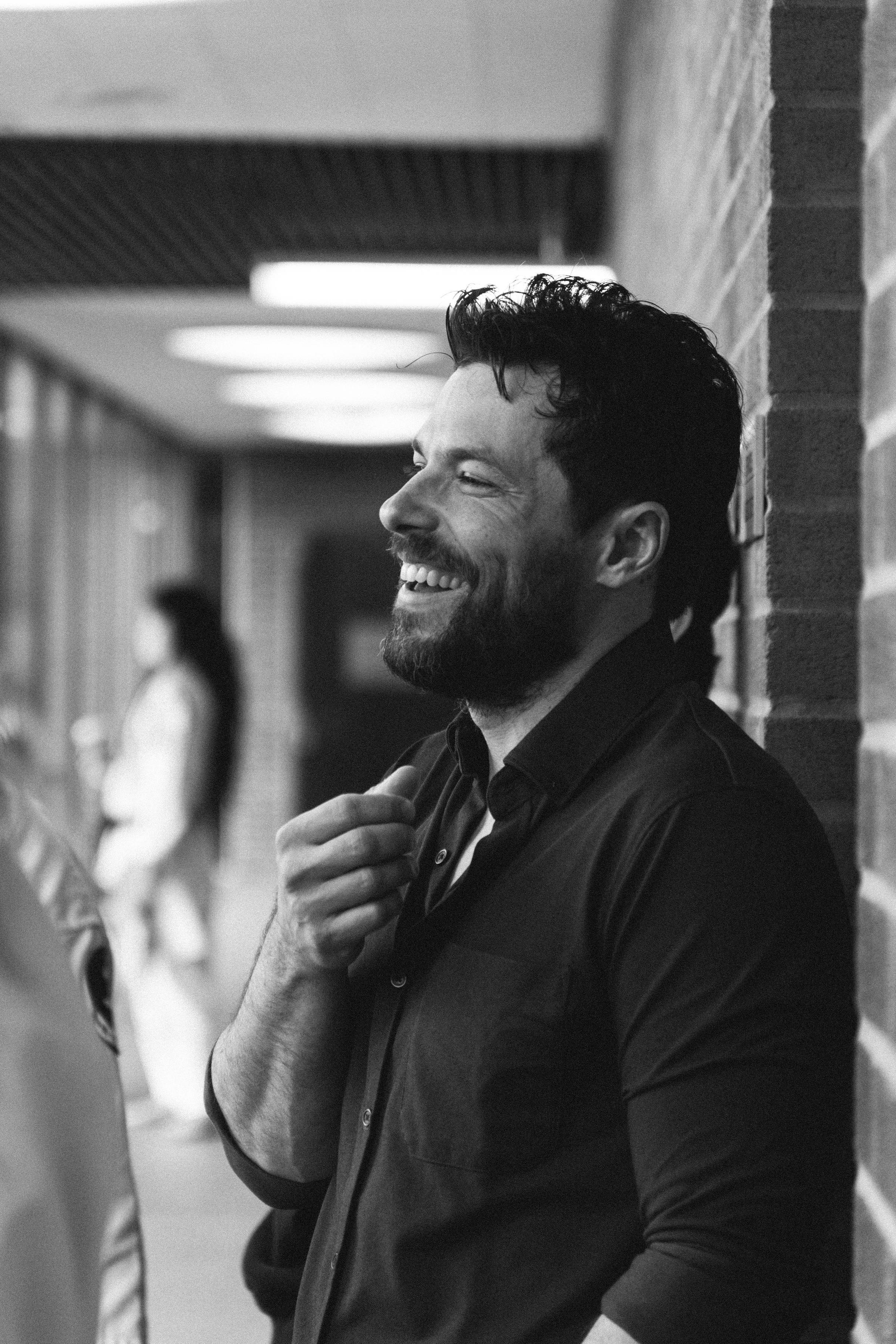
I was six years old when my family divorced.
And although I couldn’t explain it at the time… part of me felt like I lost access to my dad.
Every second weekend, my sister and I would go visit him. We’d spend time at his house, see cousins, hang out, and then Sunday night would come and we’d get dropped back off at my mom’s.
At the surface level, everything looked relatively normal.
But underneath it all, something important was happening that I didn’t fully understand until decades later.
I was slowly drifting away from my father.
Not because he was abusive.
Not because he didn’t care.
Not because he was absent by choice.
But because conflict between parents creates emotional gravity for a child.
And children unconsciously move toward the side that feels safest.
As a young boy, I naturally leaned toward my mom because that’s where I spent most of my time. That’s where I learned emotional cues, values, frustrations, tensions, and interpretations about the family dynamic.
And without realizing it, I began to shape my understanding of my father through conflict instead of connection.
That’s one of the deepest insights I’ve had doing family dynamic work later in life.
I didn’t really know my dad.
I knew the version of him that tension created in my mind.
And there’s a big difference between those two things.

Kids Ideally Don’t Choose Sides
One of the greatest mistakes adults make after divorce is assuming children can properly process what’s happening emotionally.
People often say:
“Kids are resilient.”
And yes… children are remarkably adaptive.
But that doesn’t mean they aren’t deeply impacted.
These are highly developmental years of life.
The emotional environment matters.
The tension matters.
The harmony matters.
The positioning of each parent matters.
As a child, I felt torn.
I didn’t consciously think:
“I am choosing my mom over my dad.”
But that’s exactly what was happening underneath the surface.
I was trying to keep the peace.
Trying to stay emotionally aligned with the dominant environment around me.
Trying to avoid creating more conflict.
And because there was unresolved tension between my parents, I felt resistance moving fully toward my father.
Not because I didn’t need him.
But because conflict distorted access.
Boys Need Their Fathers
Looking back now, I can clearly see something I couldn’t articulate at 10 years old.
I needed more time with my dad.
Not less.
The development of a boy into a man is deeply influenced by male mentorship, male presence, and male modeling.
Fortunately, I had good men in my life who stepped in and positively influenced me.
I’m incredibly grateful for that.
But I also recognize now that I missed something important by not having deeper access to my father during those years.
And here’s the key point:
Children are often not mature enough to know what is best for their own development.
Adults are.
That’s why it’s unrealistic to expect a 10-year-old boy to properly explain:
“How do you feel about your dad?”
I didn’t know.
I didn’t have the emotional language for that.
Children are moving moment to moment:
happy, sad, attracted, repulsed, confused, connected, uncertain.
They don’t yet possess a fully developed adult brain capable of deeply processing complex family dynamics.
So when adults place the burden of emotional interpretation onto the child, the child often defaults to emotional survival instead of developmental optimization.
And emotional survival often means:
“Stay closest to the parent where conflict feels lowest.”
The Conflict Between Parents Is Often More Damaging Than the Separation Itself
In my experience, one of the most harmful parts of divorce is not always the separation itself.
It’s the unresolved resentment afterward.
The friction.
The positioning.
The criticism.
The emotional undertones.
The lack of harmony.
Children feel all of it.
Even when adults think they’re hiding it.
And when one parent continually devalues the other parent in front of the child, something very important happens psychologically:
The child begins to internalize conflict around half of themselves.
Because that child is half mother and half father.
So when resentment is constantly projected toward one parent, the child unconsciously absorbs tension toward part of their own identity.
That creates confusion.
Division.
Insecurity.
And emotional instability.
Children should never feel like loving one parent means betraying the other.
Alternate Reality that Can Serve Families
Looking back, there are two things I believe would have profoundly helped our family dynamic.
1. Resolve the conflict as much as possible
Not perfection.
Not pretending.
But genuine effort toward respect, harmony, communication, and shared value.
Children relax when parents stop positioning each other as enemies.
That relaxation matters.
Because a relaxed child can move more freely between both parents without carrying emotional guilt.
2. Encourage deep connection with BOTH parents
If both parents are relatively healthy, caring human beings, then the child benefits tremendously from meaningful time with both of them.
Not surface-level visitation.
Connection.
Mentorship.
Presence.
Relationship.
The child should feel encouraged by BOTH parents to spend time with BOTH parents.
That’s healthy development.
And again, this is not about forcing a child into unsafe environments.
Abuse changes the conversation entirely.
But if the parent is loving, present, and willing, then children benefit deeply from access to both masculine and feminine influence.
A Message to Divorced Parents
If you’re navigating divorce or co-parenting right now, I want to say this gently and honestly:
Your child likely cannot articulate what they truly need emotionally.
So don’t place adult-level emotional responsibility onto them.
Lead them.
Guide them.
Create a ‘relaxed value’ around both parents whenever possible.
Value each other for the role you both play in your child’s development.
Because the child comes first.
Not the resentment.
Not the bitterness.
Not the unresolved pain.
The child.
And when children feel free to love both parents fully, something powerful happens:
They relax.
They develop more naturally.
They feel less torn internally.
And they gain access to the mentorship, energy, wisdom, and connection both parents were meant to provide.
Looking back now, after years of reflection, healing, and working with family dynamics, I can clearly see the gaps that existed in my own upbringing.
Not from blame.
But from awareness.
And awareness gives us the opportunity to do better moving forward.
Children should never have to carry the emotional weight of adult conflict.
They deserve connection.
They deserve harmony.
They deserve access to love from both sides.
And sometimes… the greatest gift divorced parents can give their child is not perfection.
It’s the representation of how to care about one another; showing them, "THIS is how you DO relationships."
Deeper Reflection on YouTube
For those wanting to explore this topic more deeply, I also recorded a 15-minute video reflection unpacking the emotional dynamics children often experience during divorce, parental conflict, and co-parenting.


Comments